


Artemis Program NASA Moon Mission
One Day, We Just… Stopped Looking Up
Artemis Program NASA Moon Mission – There was a time when the Moon wasn’t just a glowing object in the sky—it was a destination.
When humans first stepped onto it during the Apollo 17 Moon Landing, it felt like the beginning of something infinite. But strangely… it became an ending.
We stopped going.
Years turned into decades. Generations grew up watching the Moon from their rooftops, hearing stories of astronauts—but never seeing new ones.
Until now.
Because humanity has decided to go back.
And this time, we’re not going back just to visit.
We’re going back to stay.
What Does “Artemis” Mean?
The name Artemis comes from Greek mythology.
Artemis was the goddess of the Moon, hunting, wilderness, and protector of women and children. She is often shown as strong, independent, and deeply connected to nature and the night sky.
Why Did NASA Choose the Name “Artemis”?
NASA chose the name Artemis very thoughtfully—it’s not random. It carries deep meaning and symbolism connected to history, science, and humanity.
A Perfect Link to Apollo Missions
Artemis is the twin sister of Apollo, after whom NASA’s earlier Moon missions were named.
So the idea is simple and powerful:
- Apollo (1960s–70s) → First humans on the Moon
- Artemis (now) → Return to the Moon and go beyond
It’s like continuing the same story—but with a new chapter.
Symbol of Balance and Progress
Apollo represented exploration and achievement.
Artemis represents:
- Inclusion
- Strength
- A new era of exploration
NASA has also emphasized that Artemis missions will include:
- 🌕 The first woman on the Moon
- 🌍 More diverse astronauts than ever before
So the name reflects progress in humanity, not just technology.
A Deeper Human Connection
The Moon has always been connected to stories, emotions, and human imagination.
By choosing Artemis, NASA connects:
- Ancient human beliefs
- Modern science
- Future exploration
It reminds us that even with advanced technology, our journey to the Moon is still deeply human.
Artemis Has the Realism of The Martian
Now think of The Martian. That movie shows space not as fantasy—but as science, problem-solving, and survival.
Artemis is exactly that in real life.
- Testing equipment before landing
- Sending robots first
- Building systems step by step
Like Mark Watney in The Martian, Artemis is about one thing:
“Science will help us survive anywhere.”
In Simple Words
The name Artemis means:
“The next chapter of Moon exploration—rooted in history, but built for the future.”
It connects:
- The past (Apollo missions)
- The present (Artemis program)
- The future (Mars and beyond)
Artemis Program NASA Moon Mission Not Just a Mission, But a New Beginning

The Artemis Program NASA Moon Mission is not just about rockets and space suits. It’s about something deeper—something that connects every human being who has ever looked up and wondered, “What’s next?”
At its core, Artemis is built on three powerful dreams:
- Return humans to the Moon
- Build a sustainable human presence there
- Prepare humanity for its next destination—Mars
But unlike the Apollo era, this is not a race between nations.
This is a shared journey.
Through global partnerships like the Artemis Accords, over 60 countries are now part of this mission. For the first time in history, space exploration is becoming a story of unity—not competition.
The Machines Carrying Human Dreams
Behind every dream, there are tools. And Artemis is powered by some of the most advanced machines humanity has ever built.
But instead of overwhelming you with technical terms, imagine this:
A giant flame rises from Earth… carrying hope.
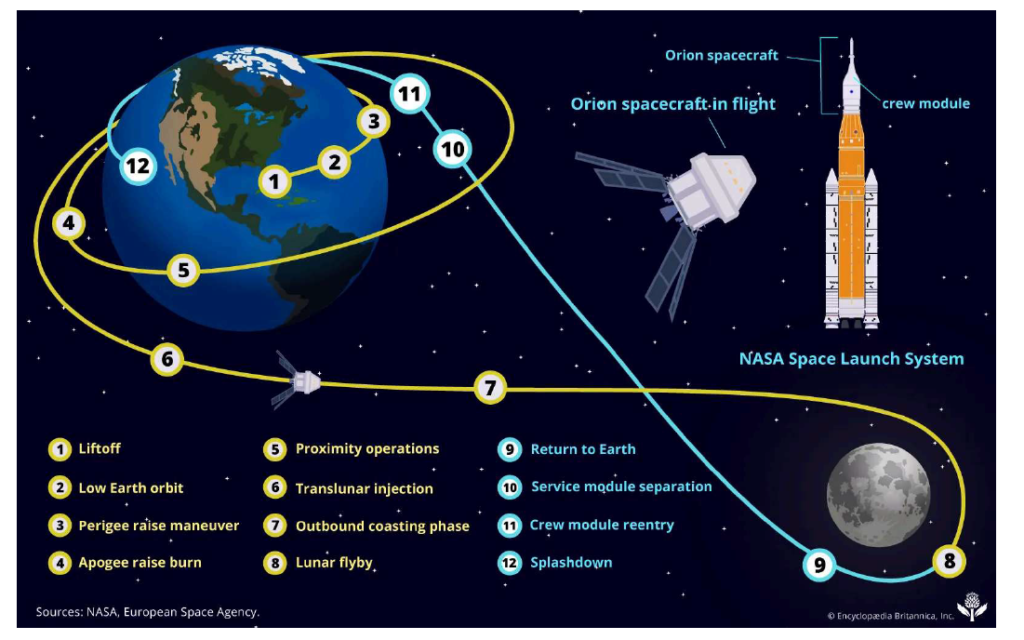
That flame is the Space Launch System (SLS)—a rocket so powerful it can push humans beyond Earth’s gravity toward the Moon.
Inside it sits Orion, a spacecraft that becomes a temporary home for astronauts—where they eat, sleep, think, and stare out into the infinite darkness of space.
And when they reach the Moon, a new kind of vehicle awaits them—the Human Landing System. Built with the help of private companies, it represents something new: a future where space is no longer just government-led, but shared with innovators and dreamers worldwide.
The Story of Artemis: One Mission at a Time
Every great story unfolds in chapters. Artemis is no different.
Chapter 1: Artemis I — A Silent Beginning (2022)
No astronauts. No voices. Just a spacecraft traveling alone.
Artemis I was a test—a quiet but powerful moment where humanity asked:
“Are we ready to go back?”
The answer came when Orion successfully orbited the Moon and returned home.
We were ready.
Chapter 2: Artemis II — Humanity Returns to Deep Space (2026)
After more than 50 years, something incredible happened.
Humans left Earth’s orbit again.
Four astronauts traveled around the Moon—not landing, but witnessing something very few humans ever have: Earth, small and fragile, floating in darkness.
It wasn’t just a mission.
It was a reminder of how small we are… and how far we can go.
Chapter 3: Artemis III — Learning Before Leaping (2027)
Here’s where Artemis becomes different from past missions.
Instead of rushing, NASA chose patience.
Artemis III focuses on testing:
- Docking systems in space
- Lunar landers like Starship and Blue Moon
- Advanced spacesuits for Moon exploration
Because this time, failure is not an option.
This is not a visit. It’s preparation for living.
Chapter 4: Artemis IV — The Return to the Moon (2028)
This is the moment that will be remembered in history.
For the first time since 1972, humans will walk on the Moon again.
But something will feel different.
It won’t be just about planting a flag.
It will be about:
- Exploring deeper regions
- Conducting long-term scientific research
- Beginning the foundation of a human presence
This is where the Moon stops being a memory—and becomes a future.
Chapter 5: Artemis V — Building a Second Home (2028)
And then, something extraordinary begins.
We start building.
Not a temporary camp… but the beginning of a Moon base.
This mission marks the shift from exploration to habitation.
From “Can we go?” to “How do we stay?”
Life Beyond Earth: The Dream of a Moon Base
Imagine waking up and seeing Earth in the sky instead of the Moon.
That’s the reality Artemis is building.
The planned Artemis Base Camp will include:
- Living habitats where astronauts can stay for weeks
- Lunar vehicles to explore the surface
- Scientific labs to study the Moon’s secrets
Before humans arrive, robots will quietly prepare everything—delivering equipment, testing conditions, and searching for water ice.
Yes… water.
Because where there is water, there is life.
And where there is life, there is a future.
Why This Artemis Program NASA Moon Mission Matters to Every Human
You might wonder…
“Why should I care about the Moon?”
Because this mission is not just about space.
It’s about us.
- It’s about proving that humanity can solve impossible challenges
- It’s about uniting countries under one shared goal
- It’s about ensuring that human life doesn’t remain limited to one fragile planet
In a world often divided, Artemis is a reminder of what we can achieve together.
The Reality: Challenges We Cannot Ignore
This journey is not easy.
Artemis faces real challenges:
- Massive costs running into billions
- Delays in technology development
- Complex coordination between nations and companies
- Debates about whether we should focus on the Moon or Mars
But every great human achievement—from flight to the internet—once seemed impossible.
Artemis is no different.
The Bigger Picture: From Moon to Mars
The Moon is not the final destination.
It’s the training ground.
Everything learned through Artemis—living in space, using resources, building habitats—will prepare us for the ultimate goal:
Sending humans to Mars.
And when that happens, history will remember Artemis as the turning point.
Final Thoughts Artemis Program NASA Moon Mission That Belongs to All of Us
The Artemis Program is not just NASA’s mission.
It belongs to every human who has ever looked at the night sky and felt something—curiosity, wonder, hope.
Because this is not just about reaching the Moon.
It’s about expanding what it means to be human.
And maybe, years from now, when people live on the Moon and travel to Mars, they won’t see it as something extraordinary.
They’ll see it as normal.
And they’ll look back at this moment—the beginning of Artemis—and say:
“This is when everything changed.”
Frequently Asked Questions (FAQ) – Artemis Program NASA Moon Mission
What is the Artemis Program NASA Moon Mission by NASA?
The Artemis Program is a space exploration initiative by NASA that aims to return humans to the Moon, build a long-term base, and prepare for future missions to Mars.
When will humans land on the Moon again?
NASA is planning the next human Moon landing under Artemis IV, targeted around 2028. This will be the first landing since the Apollo 17 Moon Landing.
What is the main goal of the Artemis mission?
The main goal is to establish a sustainable human presence on the Moon and use it as a stepping stone for sending humans to Mars.
How is Artemis different from Apollo missions?
While Apollo missions were short-term visits, Artemis focuses on long-term exploration, building a Moon base, and international collaboration through agreements like the Artemis Accords.
Who is involved in the Artemis Program?
The Artemis Program is led by NASA along with private companies and more than 60 countries participating under global partnerships.
What is Artemis Base Camp?
Artemis Base Camp is NASA’s planned lunar base where astronauts will live, work, and conduct research on the Moon for extended periods.
Why is NASA going back to the Moon?
NASA aims to explore lunar resources, advance scientific research, and develop technologies needed for future human missions to Mars.